How Much to Place Concrete | Complete Cost Guide for Concrete Installation
Concrete remains one of the most widely used construction materials for driveways, patios, sidewalks, foundations, garage floors, and commercial projects. However, many property owners ask the same question: How much does it cost to place concrete? The answer depends on several factors, including project size, concrete thickness, labor rates, site preparation, and
Understanding these costs helps homeowners, contractors, and property managers create realistic budgets while avoiding unexpected expenses.
What Does Placing Concrete Mean?
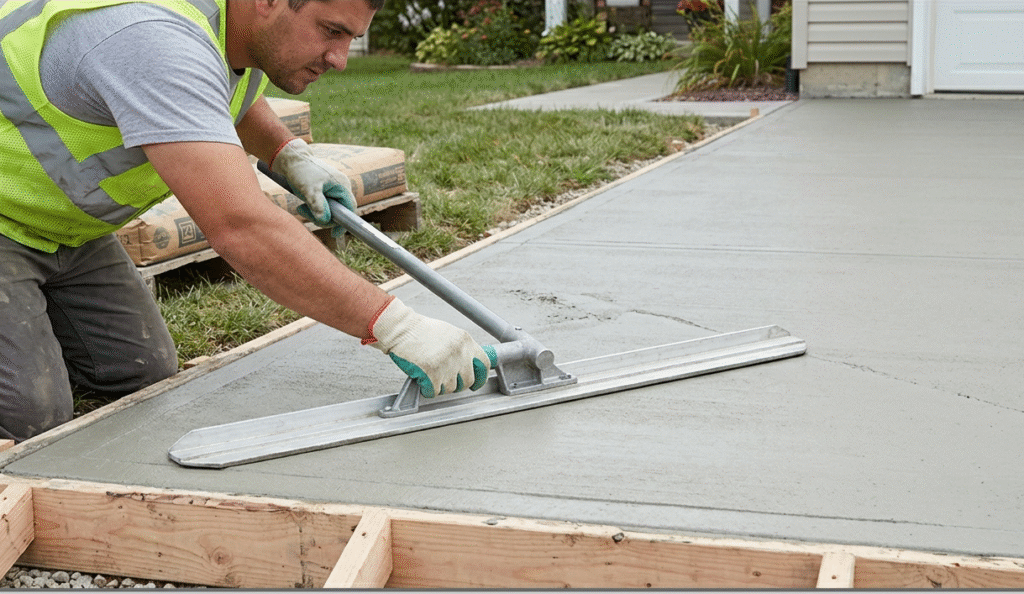
Placing concrete refers to the entire installation process after concrete arrives on-site. Workers pour, spread, level, finish, and cure the material to create a durable surface.
The process typically includes:
- Site preparation
- Concrete installation
- Concrete pouring
- Leveling and screeding
- Finishing
- Joint cutting
- Curing
Therefore, placement costs involve much more than simply purchasing concrete.
Average Cost to Place Concrete
Concrete placement costs vary significantly based on location and project complexity.
In most cases, homeowners can expect costs to include:
- Concrete material
- Labor
- Equipment
- Site preparation
- Finishing work
Small residential projects generally cost more per square foot because contractors spread fixed expenses across a smaller area. Conversely, larger projects often benefit from lower per-square-foot pricing.
Major Factors That Affect Concrete Placement Costs
Several variables influence the final project cost.
1. Project Size
Larger concrete pours usually reduce the overall cost per square foot.
For example:
- Small patios require similar setup work as larger slabs.
- Larger driveways distribute labor costs more efficiently.
Consequently, bigger projects often offer better value.
2. Concrete Thickness
The thickness of the slab directly affects material usage.
Common thicknesses include:
- 4 inches for patios and sidewalks
- 5 inches for residential driveways
- 6 inches or more for heavy-duty applications
As thickness increases, concrete volume and costs rise accordingly.
3. Site Preparation
Before placing concrete, contractors must prepare the area properly.
Preparation may involve:
- Excavation
- Grading
- Soil compaction
- Removal of old concrete
- Drainage improvements
Additionally, difficult site conditions often increase labor and equipment expenses.
4. Reinforcement Requirements
Many projects require reinforcement to improve strength.
Popular reinforcement options include:
- Rebar
- Wire mesh
- Fiber reinforcement
Although reinforcement increases upfront costs, it often reduces future cracking and repairs.
5. Concrete Mix Type
Not all concrete mixes are identical.
Specialized mixes may include:
- High-strength concrete
- Decorative concrete
- Fast-setting concrete
- Air-entrained concrete
Therefore, premium mixes typically cost more than standard concrete.
6. Finishing Options
Finishing significantly affects pricing.
Common finishes include:
Broom Finish
A broom finish provides a slip-resistant texture and remains one of the most affordable options.
Stamped Concrete
Stamped concrete mimics stone, brick, or tile. However, it requires additional labor and materials.
Exposed Aggregate
This decorative finish exposes stone particles within the concrete surface.
Polished Concrete
Polishing creates a smooth, glossy appearance and often increases labor costs.
Cost Breakdown for Concrete Placement
Understanding where the money goes helps homeowners compare contractor estimates effectively.
Material Costs
Concrete materials typically account for a substantial portion of the budget.
Material expenses may include:
- Ready-mix concrete
- Reinforcement materials
- Formwork supplies
- Sealers
Labor Costs
Labor often represents one of the largest project expenses.
Workers perform:
- Site preparation
- Form construction
- Concrete placement
- Finishing
- Cleanup
Furthermore, labor rates vary by region and contractor experience.
Equipment Costs
Contractors may require specialized equipment such as:
- Concrete mixers
- Pumps
- Excavators
- Plate compactors
- Power trowels
As a result, equipment usage contributes to overall project costs.
Additional Costs to Consider
Many homeowners focus solely on concrete prices. However, additional expenses frequently arise.
These may include:
Demolition
Removing old concrete increases labor and disposal costs.
Permits
Some municipalities require permits for driveways, sidewalks, and foundation work.
Drainage Improvements
Proper drainage prevents future water damage and foundation issues.
Decorative Features
Borders, color additives, stamps, and custom textures can significantly increase project costs.
Therefore, always request a detailed estimate before starting work.
How to Calculate Concrete Quantity
To estimate material needs, use the following formula:
Length × Width × Thickness = Volume
For example:
- 20 feet long
- 10 feet wide
- 4 inches thick
This calculation helps determine the amount of concrete required for the project.
Additionally, most contractors add extra material to account for waste and minor variations.
Ways to Reduce Concrete Placement Costs
Although concrete projects require a substantial investment, several strategies can help control expenses.
Choose Standard Finishes
Simple broom finishes generally cost less than decorative alternatives.
Schedule During Slower Seasons
Some contractors offer lower pricing during less busy periods.
Minimize Site Obstacles
Easy site access reduces labor and equipment requirements.
Compare Multiple Quotes
Furthermore, obtaining several estimates helps identify competitive pricing and quality service.
Why Professional Concrete Placement Matters
Some property owners consider handling concrete placement themselves. However, professional installation offers important advantages.
Professionals provide:
- Proper grading
- Accurate forming
- Correct finishing techniques
- Quality control
- Long-term durability
Consequently, professional workmanship often prevents costly repairs and premature failure.
Conclusion
The cost to place concrete depends on numerous factors, including project size, slab thickness, site preparation, reinforcement, and finishing options. While smaller projects may have higher per-square-foot costs, larger installations often provide better overall value. Additionally, investing in proper preparation and professional installation helps ensure a durable surface that lasts for decades. By understanding the key cost drivers, homeowners can make informed decisions and budget effectively for their concrete projects.
FAQs
How much does concrete placement cost per square foot?
Costs vary based on location, project size, and finish type. Labor, materials, and site conditions all influence final pricing.
What factors increase concrete installation costs?
Thickness, reinforcement, decorative finishes, difficult site access, excavation, and demolition can increase costs significantly.
Is stamped concrete more expensive than regular concrete?
Yes. Stamped concrete requires additional labor, materials, and finishing techniques, which generally increase project costs.
Does concrete thickness affect pricing?
Absolutely. Thicker slabs require more concrete and reinforcement, resulting in higher overall costs.
Should I hire a professional for concrete placement?
Yes. Professional contractors ensure proper preparation, placement, finishing, and curing, which improves durability and appearance.
How long does newly placed concrete last?
Properly installed and maintained concrete can last 30 to 50 years or longer, depending on environmental conditions and usage.
What is the cheapest concrete finish?
A broom finish typically provides the most affordable option while still offering durability and slip resistance.