Spalling Concrete | Causes, Warning Signs & Repair Options
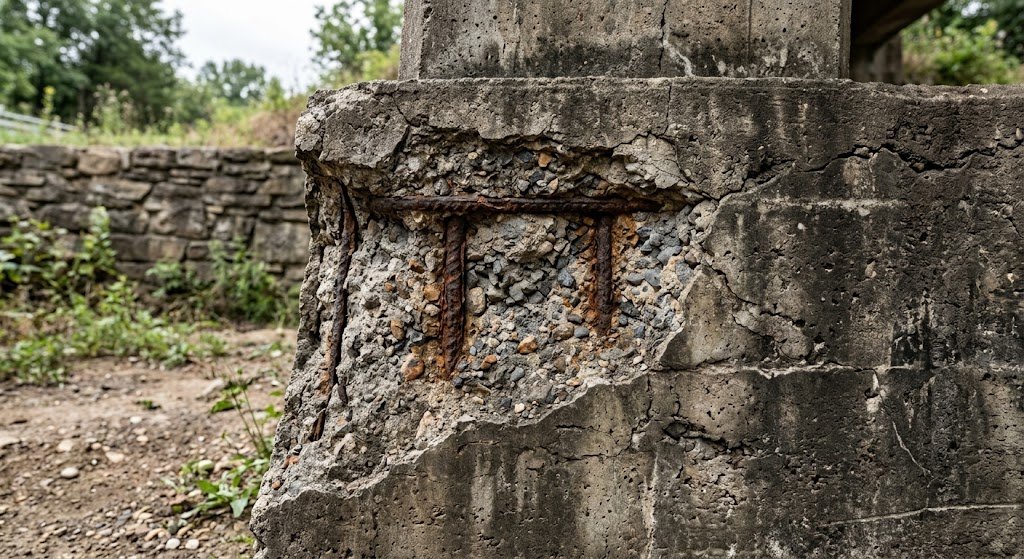
Spalling concrete is the flaking, chipping, or breaking away of a concrete surface. It starts small, but it rarely stays small. Moisture, rebar corrosion, and freeze-thaw cycles drive the damage, and each one makes the next worse. Therefore, early action saves money and protects your property.
This guide explains what causes concrete spalling, which warning signs to watch for, and which repair options work best. In addition, you will learn when to call a professional.
What Is Concrete Spalling?
Concrete spalling happens when pieces of the surface detach from the main slab. The pieces can be thin flakes or large chunks. As a result, the damage exposes the inner concrete and often the steel reinforcement beneath it.
Spalling differs from scaling and cracking. Scaling affects only the top skin of the surface, and cracks run through the slab without losing material. Spalling, however, removes material and creates pits, craters, or rough patches. Because of this, it signals a deeper problem that needs attention.
Spalling appears on driveways, garage floors, patios, balconies, parking structures, bridges, and building facades.
What Causes Concrete to Spall? The 6 Main Triggers
Understanding the root cause helps you choose the right fix. Otherwise, the damage will return.
1. Rebar Corrosion
Steel reinforcement rusts when water and chlorides reach it. Rust expands to several times the volume of the original steel. Consequently, it pushes outward and cracks the concrete cover until chunks fall off. This is the most serious cause of spalling in structural concrete.
2. Freeze-Thaw Cycles
Water enters small pores and cracks. When temperatures drop, the water freezes and expands. Then it thaws and repeats the process. Over time, this cycle breaks the surface apart.
3. De-Icing Salts
Salt speeds up freeze-thaw damage and carries chlorides into the slab. Moreover, chlorides attack rebar directly. Parking decks and driveways in cold climates suffer the most.
4. Poor Concrete Mix or Installation
Too much water in the mix weakens the concrete and makes it porous. Likewise, finishing the surface too early traps bleed water below the top layer. Insufficient curing and thin cover over rebar also invite early failure.
5. Fire and Extreme Heat
Intense heat turns moisture inside the concrete into steam. The pressure then blasts pieces off the surface, which is called explosive spalling.
6. Impact and Heavy Loads
Heavy equipment, dropped objects, and repeated traffic stress the edges and joints. Eventually, the stress breaks them down.
What Does Spalling Concrete Look Like? 7 Signs to Check
Catch these signs early, and you can often avoid a full replacement:
- Small flakes or pits on the surface
- Hairline cracks that run parallel to rebar lines
- Rust stains bleeding through the concrete
- Hollow sounds when you tap the surface with a hammer (delamination)
- Exposed rebar with visible corrosion
- Rough, crumbling patches near joints and edges
- Water pooling in dips that were not there before
Importantly, rust stains and hollow sounds suggest hidden damage. Therefore, schedule an inspection right away if you spot them.
How Dangerous Is Spalling Concrete? Safety, Structural & Cost Risks
Yes, it can be. Loose chunks can fall from balconies and ceilings, and rough surfaces cause trips. In addition, exposed rebar loses strength as it rusts, which compromises the structure. Beyond safety, spalling lowers property value and raises repair costs the longer you wait.
How to Repair Spalling Concrete | 6 Methods That Last
The right method depends on the depth, size, and cause of the damage. Here are the most common options.
Surface Patching
For shallow spalls, crews remove loose concrete, clean the area, and apply a polymer-modified repair mortar. This option is fast and affordable. However, it works only when the damage stays shallow.
Partial-Depth Repair
When spalling reaches deeper layers, technicians saw-cut the edges and chip out the damaged concrete. Next, they clean the steel, apply a bonding agent, and place new repair material. This method restores both strength and appearance.
Rebar Treatment and Full-Depth Repair
When corrosion has damaged the steel, crews expose the rebar, remove the rust, and coat it with a protective barrier. If the steel has lost too much section, they replace it. After that, they rebuild the concrete cover.
Resurfacing and Overlays
For widespread surface damage, a bonded overlay creates a fresh, durable finish. This option suits driveways, patios, and pool decks.
Sealers and Protective Coatings
After repairs, a penetrating sealer or coating blocks water and chlorides. Consequently, it extends the life of the repair and prevents new spalling.
Replacement
When the slab has failed structurally, replacement becomes the only safe choice. Still, a professional assessment should confirm this before you commit.
Should You Repair or Replace Spalled Concrete? How to Decide
Condition | Best Option |
Shallow flaking, no rust | Patch and seal |
Deep spalls, minor rebar exposure | Partial-depth repair |
Heavy corrosion, structural cracking | Full-depth repair or replacement |
Widespread surface wear | Overlay or resurfacing |
How to Prevent Concrete Spalling
Prevention costs far less than repair. To protect your concrete:
- Seal the surface every two to three years.
- Fill cracks as soon as they appear.
- Improve drainage so water moves away from slabs.
- Avoid rock salt, and use sand or calcium magnesium acetate instead.
- Clean oil, chemicals, and debris promptly.
- Schedule professional inspections for commercial and multi-unit properties.
Why Choose Elite Concrete Restoration Inc. for Spalling Concrete Repair?
Elite Concrete Restoration Inc. finds the cause of spalling first, then fixes it for good. Many contractors simply patch the surface. We do more. Our team diagnoses moisture, corrosion, and structural issues, and then we match the repair to the problem. As a result, our clients get durable repairs that last, not temporary cover-ups.
What sets us apart:
- Detailed damage assessments before any work begins
- Transparent, written estimates with no hidden fees
- Premium repair materials built for your local climate
- Skilled technicians experienced in residential, commercial, and structural projects
- Workmanship backed by a clear warranty
Frequently Asked Questions (FAQs)
What causes concrete to spall?
Moisture, freeze-thaw cycles, de-icing salts, rebar corrosion, poor installation, and fire cause spalling. Rebar corrosion is the most serious cause because rust expansion cracks the concrete from within.
Can spalling concrete be repaired?
Yes. Most spalling can be repaired with patching, partial-depth repair, or resurfacing. Severe structural damage may require replacement.
How much does spalling concrete repair cost?
Costs vary by damage depth, surface area, and access. Minor patching costs far less than rebar repair or replacement. Request a professional inspection for an accurate quote.
Is spalling the same as scaling?
No. Scaling removes only a thin top layer of the surface, whereas spalling breaks off deeper pieces and often involves the reinforcement.
How long does a spalling repair last?
A properly diagnosed and sealed repair can last 10 to 20 years or more. Fixing the underlying cause, such as moisture intrusion, determines the lifespan.
Can I repair spalled concrete myself?
You can patch minor, shallow spalls with a repair mortar. Nevertheless, deep spalls, exposed rebar, and structural elements need a professional.
Does spalling mean my building is unsafe?
Not always. However, spalling on balconies, parking structures, and load-bearing elements deserves an immediate inspection.
Does homeowners insurance cover spalling?
Most policies exclude normal wear and weathering. Fire or impact damage may qualify, so check your policy or ask your agent.
Get Your Spalling Concrete Fixed Before It Spreads
Spalling never heals itself. Every season of moisture and temperature change makes it worse. Therefore, act now while repairs remain simple and affordable.
Contact Elite Concrete Restoration Inc. today for a free, no-obligation inspection. Our experts will assess the damage, explain your options clearly, and restore your concrete to a safe, lasting finish. Call or request your estimate online now.