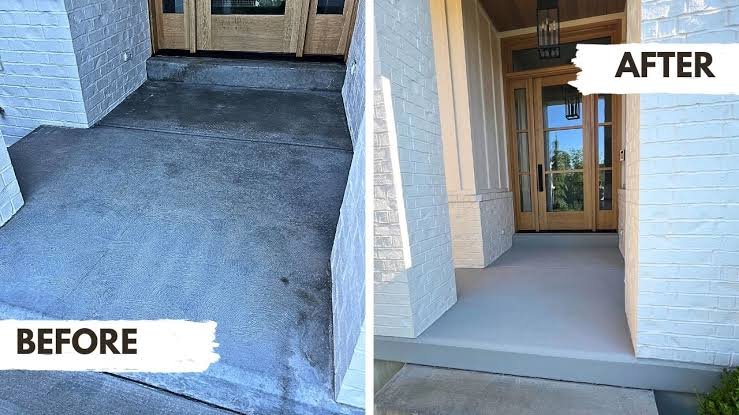
Concrete Patio Resurfacing | Cost, Process, and Tips
Your patio has cracks, stains, and a rough, worn surface. Naturally, you wonder whether you must tear it out or whether you can simply refresh it. In most cases, concrete patio resurfacing solves the problem for far less money. This guide explains the cost, walks through the process, and shares practical tips so you can decide with confidence.
What Is Concrete Patio Resurfacing?
Concrete patio resurfacing applies a thin, bonded layer of polymer-modified cement over your existing slab. First, crews repair the damage. Then they add a new surface that looks fresh and resists wear. As a result, you get a like-new patio without demolition, hauling, or a full pour.
Resurfacing vs. Replacement
Resurfacing works well when the slab is structurally sound. However, replacement makes more sense if the concrete has sunk, heaved, or crumbled deeply. In short, surface flaws are good candidates for resurfacing, while structural failure calls for a new slab.
Common Signs Your Patio Needs Resurfacing
- Hairline cracks and small chips
- Flaking, scaling, or pitted surfaces
- Faded color and stubborn stains
- A rough or slippery texture
How Much Does Concrete Patio Resurfacing Cost?
Most homeowners pay roughly $3 to $10 per square foot. Therefore, a typical 300-square-foot patio costs about $900 to $3,000. Decorative finishes cost more, while a basic smooth overlay costs less. By comparison, full replacement often runs two to three times higher. Prices vary by region, so treat these figures as general ranges and ask for a written estimate.
Factors That Affect Your Price
Several variables shape the final number:
- Patio size: Larger areas lower the cost per square foot.
- Surface condition: Deep cracks and spalling require extra repair time.
- Finish type: Stamped, stenciled, or stained finishes add labor and materials.
- Sealer choice: High-performance sealers cost more upfront but last longer.
- Access and layout: Tight spaces and multiple levels increase labor.
Ways to Save Without Cutting Corners
First, clear your patio before the crew arrives. Next, choose a simple broom or knockdown texture. Finally, bundle related projects, such as a walkway or steps, into one visit. Consequently, you reduce mobilization costs while keeping quality high.
The Concrete Patio Resurfacing Process, Step by Step
A durable result depends on preparation. Indeed, most overlay failures trace back to poor prep, not poor materials. Here is how a professional project unfolds.
Step 1: Inspect and Assess
The crew checks the slab for movement, drainage problems, and moisture. Additionally, they identify which cracks need repair and which are cosmetic. This inspection prevents surprises later.
Step 2: Clean and Prepare the Surface
Next, the team pressure washes the slab to remove dirt, oil, and old coatings. Then they grind or shot-blast the surface so the new layer bonds tightly. Skipping this step causes peeling, so professionals never rush it.
Step 3: Repair Cracks and Damage
After cleaning, technicians fill cracks and patch chipped areas with flexible repair compounds. Meanwhile, they fix low spots so water drains away from your home.
Step 4: Apply the Resurfacing Overlay
The crew mixes the overlay and spreads it in a thin, even coat. Then they add texture, color, or a stamped pattern while the material is workable. Because the product sets quickly, experienced installers work fast and steady.
Step 5: Cure and Seal
Once the overlay cures, the team applies a UV-stable sealer. This coat locks in color, blocks water, and protects against stains. Most patios accept light foot traffic within 24 hours and furniture within a few days.
Design Options for Your Resurfaced Patio
Resurfacing does more than repair. It also transforms the look of your outdoor space. For example, you can choose:
- Stamped patterns that mimic stone, slate, or brick
- Broom-finish textures for slip resistance
- Integral or stained colors in earthy, modern tones
- Decorative borders and inlays for visual detail
Expert Tips to Make Your Patio Last
- Choose a slip-resistant finish. Wet patios get slick, so add texture for safety.
- Insist on proper prep. Bond strength starts with a clean, profiled surface.
- Schedule smart. Mild, dry weather helps the overlay cure evenly.
- Reseal on schedule. Plan to reseal every two to three years.
- Clean gently. Sweep often and use mild soap instead of harsh chemicals.
- Fix drainage first. Standing water shortens the life of any surface.
Why Homeowners Choose Elite Concrete Restoration Inc.
Elite Concrete Restoration Inc. focuses on preparation because preparation determines how long your patio lasts. Our crews test the slab, repair every defect, and use quality overlays and sealers matched to your climate. Furthermore, we provide clear written estimates, so you know the scope and price before work begins. One team handles the entire project, from assessment to final seal. Consequently, you enjoy a smooth process and a patio that looks great for years.
Frequently Asked Questions About Concrete Patio Resurfacing
How long does concrete patio resurfacing last?
A well-prepped and properly sealed overlay typically lasts 10 to 15 years. Regular resealing and gentle maintenance extend that lifespan.
Can you resurface a cracked concrete patio?
Yes, you can resurface patios with minor cracks after repairing them. However, large or shifting cracks often signal structural issues, so a professional inspection comes first.
How long does the resurfacing process take?
Most residential patios take two to four days, including cleaning, repairs, application, and sealing. Curing time adds a few extra days before heavy use.
Is resurfacing cheaper than replacing a patio?
Usually, yes. Resurfacing avoids demolition and disposal, so it often costs significantly less than tearing out and repouring.
Can you resurface a patio yourself?
DIY kits exist, but results depend heavily on skill and prep. For a lasting bond and even finish, most homeowners prefer professional installation.
What is the best time of year to resurface a patio?
Spring and fall offer the most stable temperatures. Nevertheless, professionals can adapt materials and methods for other seasons.
Does a resurfaced patio need maintenance?
Yes, but the routine is simple. Sweep regularly, clean spills quickly, and reseal every two to three years.
Ready to Restore Your Patio?
Stop settling for a cracked, faded slab. With expert concrete patio resurfacing, you can reclaim your outdoor space for a fraction of replacement cost. Contact Elite Concrete Restoration Inc. today for a free, no-pressure estimate. Our team will inspect your patio, explain your options, and give you a clear price, so you can move forward with confidence.