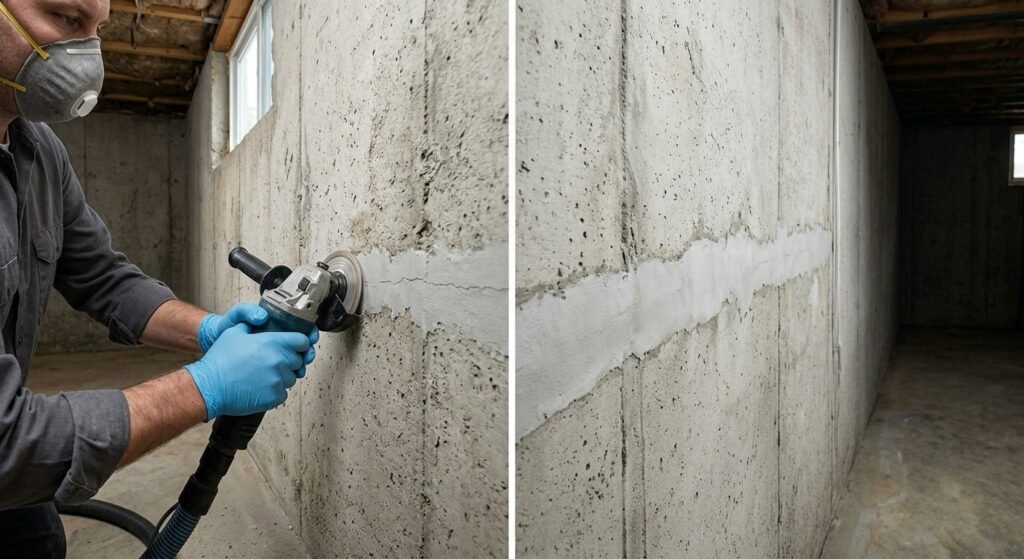
How to Repair a Cracked Foundation Wall | Types, Causes & Proven Fix Methods
A cracked foundation can threaten the structural stability of your home if you ignore it for too long. While some foundation cracks result from normal concrete shrinkage, others indicate serious issues such as soil movement, water damage, or foundation settlement. Therefore, identifying the cause and repairing the crack quickly can prevent costly structural repairs in the future.
This guide explains how to repair a cracked foundation, the tools and materials you need, and the best practices for achieving long-lasting results.
Why Foundation Cracks Occur
Before starting repairs, you should understand why foundation cracks develop.
Several factors contribute to foundation damage, including:
- Soil expansion and contraction
- Poor drainage around the home
- Hydrostatic pressure from groundwater
- Foundation settlement
- Tree root growth
- Freeze-thaw cycles
- Concrete shrinkage during curing
Additionally, environmental conditions and construction quality can influence the severity of foundation cracking.
Types of Foundation Cracks
Not all foundation cracks require the same repair method. Therefore, identifying the crack type is essential.
Vertical Cracks
Vertical cracks often result from normal settling or concrete shrinkage. In most cases, they are easier to repair.
Horizontal Cracks
Horizontal cracks usually indicate excessive soil pressure against the foundation wall. Consequently, they often require professional evaluation.
Diagonal Cracks
Diagonal cracks may signal uneven foundation settlement. Furthermore, they can worsen if the underlying issue remains unresolved.
Stair-Step Cracks
These cracks commonly appear in brick or block foundations and often suggest foundation movement.
Signs of Serious Foundation Problems
While small cracks may seem harmless, some symptoms indicate more significant structural concerns.
Watch for:
- Bowing foundation walls
- Uneven floors
- Sticking doors and windows
- Large gaps around frames
- Water seepage
- Expanding cracks
If several of these signs appear, consult a foundation specialist before attempting repairs.
Inspect the Foundation Thoroughly
First, examine the crack carefully.
Pay attention to:
- Crack width
- Crack length
- Direction of movement
- Signs of moisture
- Nearby structural damage
Additionally, measure the crack and monitor whether it continues to grow over time.
Accurate assessment helps determine the best repair approach.
Clean the Crack
Proper surface preparation ensures strong adhesion.
Use a wire brush to remove:
- Loose concrete
- Dirt
- Dust
- Debris
Next, vacuum the crack thoroughly.
As a result, repair materials can bond directly to the concrete surface.
Widen Narrow Cracks if Necessary
Very narrow cracks may not accept repair products effectively.
Using a hammer and chisel, slightly widen the crack into a V-shaped groove.
This process:
- Improves material penetration
- Enhances adhesion
- Creates a stronger repair
However, avoid removing excessive concrete.
Choose the Appropriate Repair Method
Different cracks require different repair solutions.
Epoxy Injection
Epoxy works best for structural cracks because it restores concrete strength.
Benefits include:
- High bonding strength
- Structural reinforcement
- Long-term durability
Polyurethane Injection
Polyurethane sealant works well for water-related cracks.
Advantages include:
- Excellent flexibility
- Moisture resistance
- Expansion within cracks
Hydraulic Cement
Hydraulic cement effectively seals active water leaks.
Furthermore, it cures rapidly and withstands water pressure.
Apply the Repair Material
Follow the manufacturer’s instructions carefully.
For epoxy or polyurethane injections:
- Install injection ports along the crack.
- Seal the surface crack.
- Inject the material gradually.
- Fill the crack completely.
For hydraulic cement:
- Mix the material properly.
- Press it firmly into the crack.
- Smooth the surface evenly.
Consequently, the crack receives a durable and watertight repair.
Allow Proper Curing
After application, allow sufficient curing time.
Although curing times vary by product, most repairs require at least 24 to 72 hours before full strength develops.
Additionally, protect the area from moisture and physical disturbance during curing.
Patience at this stage improves repair performance.
Waterproof the Foundation
Repairing the crack alone may not solve the underlying issue.
Therefore, waterproof the foundation to prevent future damage.
Consider:
- Applying waterproof coatings
- Installing drainage systems
- Extending downspouts
- Improving yard grading
As a result, water moves away from the foundation rather than accumulating nearby.
Address the Root Cause
Many homeowners repair cracks without fixing the source of the problem.
To prevent recurrence:
- Improve drainage
- Correct soil grading
- Manage groundwater
- Remove invasive tree roots
- Stabilize settling foundations
Furthermore, addressing the root cause extends the life of the repair.
Preventing Future Foundation Cracks
Prevention remains more affordable than major foundation repairs.
Follow these maintenance tips:
- Keep gutters clean
- Extend downspouts away from the house
- Maintain consistent soil moisture
- Monitor drainage systems
- Inspect the foundation annually
- Repair minor cracks promptly
Consequently, you can reduce the likelihood of future foundation issues.
FAQs
Can I repair a foundation crack myself?
Yes, homeowners can often repair small, non-structural cracks using epoxy, polyurethane, or hydraulic cement. However, large or expanding cracks may require professional evaluation.
What is the best material for repairing foundation cracks?
Epoxy injection works best for structural repairs, while polyurethane sealant is ideal for waterproofing and moisture-related cracks.
Are foundation cracks always serious?
No. Many small vertical cracks result from normal concrete shrinkage. However, horizontal, diagonal, or widening cracks may indicate structural concerns.
How much does foundation crack repair cost?
Costs vary based on crack size, repair method, and severity. Minor DIY repairs are relatively inexpensive, whereas major structural repairs can cost significantly more.
How do I know if a foundation crack is getting worse?
Monitor the crack regularly. If it becomes wider, longer, or causes wall movement, seek professional assistance immediately.
Can waterproofing prevent future foundation cracks?
Waterproofing helps reduce moisture-related stress and can significantly lower the risk of future foundation damage when combined with proper drainage management.